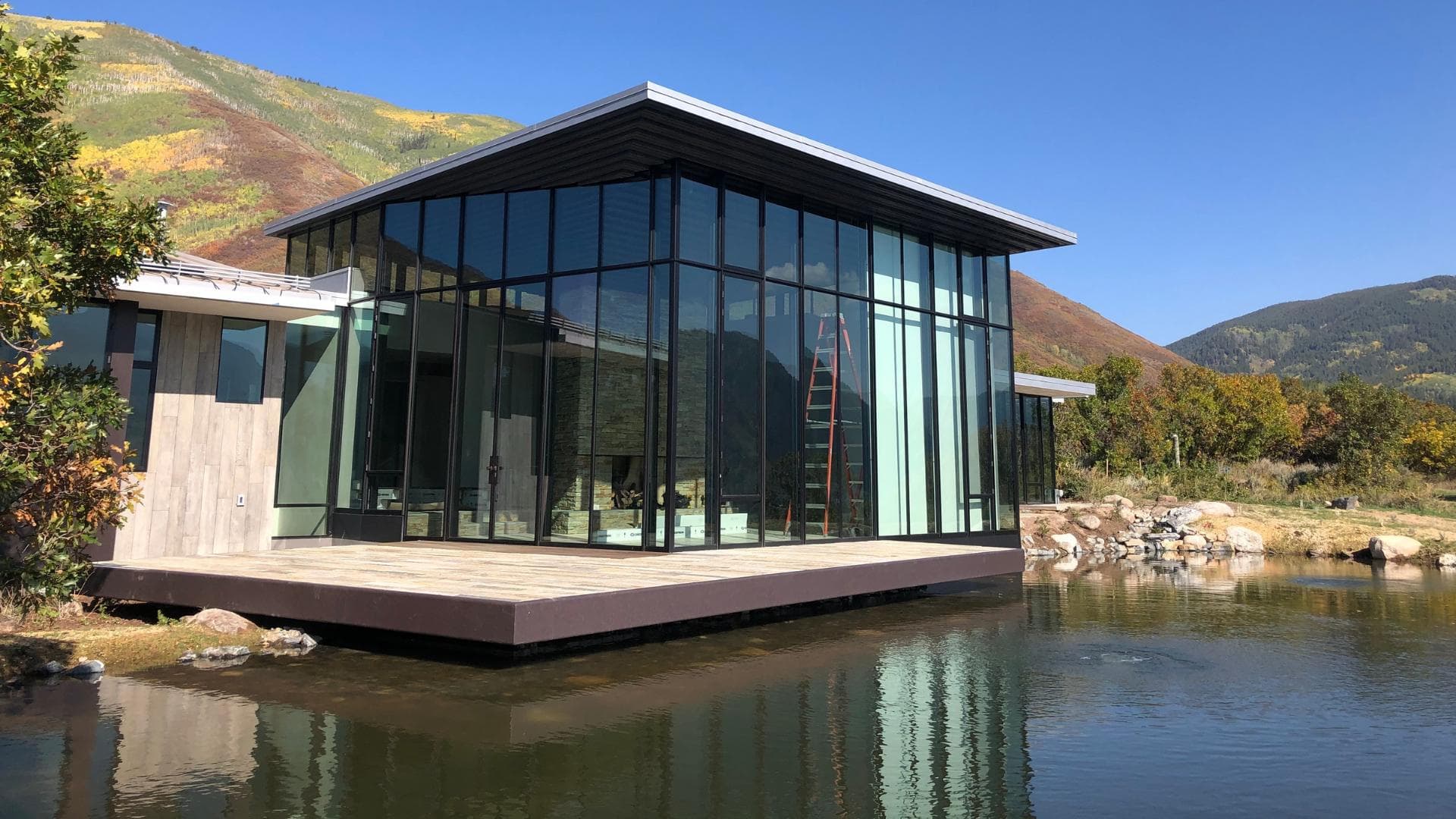
A roof can look sound from the driveway while a small detail needs attention. A stain inside the home can also leave an owner unsure where the water began. An inspection is the point where those concerns become a clear picture of the roof and a practical decision about its care.
Before choosing a repair or replacement, ask for findings you can understand and revisit. A useful record explains what was checked, what was found, and what should happen next.
Bring the history
Share previous repairs, known leaks and anything noticed after wind, rain or snowmelt. If a stain has appeared, note when you first saw it and take a photograph from a safe place. Include earlier inspection reports if you have them.
That information helps the roofer connect a visible concern with the parts of the roof that need closer attention. It also gives the next inspection a starting point.
Look beyond the main roof surface
Ask about the condition of the roof covering and the details around it: flashing, vents, skylights, chimneys and drainage. For shingle roofs, missing, cracked or curled shingles deserve attention. Gutters need to carry runoff away, and flashing helps protect vulnerable joints from water.
These are among the maintenance points described in GAF's homeowner guidance. The findings should be specific to your roof's material and construction. Leave roof access and close inspection to a qualified professional; photographs from the ground are useful information, not a reason to climb onto the roof.
Separate findings from decisions
Request photographs of the areas needing attention and a plain explanation of each concern. Ask which work needs prompt action, which items can be planned, and which should be monitored. If more investigation is needed, that should be clear as well.
A repair recommendation should say what it addresses. A replacement recommendation should explain why a repair is insufficient. Understanding that distinction helps an owner compare proposals and avoid treating a visible symptom as the whole problem.
Include the winter picture
Discuss past snow and ice concerns as part of the inspection. Recurring ice dams may involve the building beneath the roof as well as the roof itself. The U.S. Department of Energy explains that a properly air-sealed and insulated attic can help prevent ice dams. Ask the appropriate professional to assess the cause before deciding on a remedy.
Keep the maintenance plan connected to the inspection record. The next visit should confirm completed repairs, compare areas being monitored and account for any new weather-related concerns. There is no single schedule or repair that suits every roof.
Premier Roofing provides roof installation, repair, maintenance, seasonal inspections, snow removal, and gutter and siding repair across the Roaring Fork Valley. Request an inspection to discuss the roof, the building and the concerns you have noticed. Learn more about Premier Roofing.